Schema engineering
Schema Engineering Services That Connect Your Business Facts Into One Validated Graph
Schema engineering designs your structured data as one connected set instead of isolated blocks. Every business, service, page, and person gets a permanent identifier that points to the others, and every value matches what visitors can see. We validate the markup, recheck it when pages change, and show this page's own markup as a real example.
- Real markup example on this page
- Published pricing from $799 per month
- Reply within 24 hours
Free, with no obligation
Get a free AI search review
Tell us where to reply. A strategist looks at how AI tools describe your business and replies within 24 hours.
This form needs JavaScript. Call +1 (510) 399-5523, email jd@aisearchrankings.com, or use the contact page.
Request received
Thank you. A strategist will reply within 24 hours, Monday to Friday, 9am to 6pm Pacific Time.
While you wait, you can take the free readiness check or compare the published packages.
We use your details only to reply. We never sell your information. Read our privacy policy.
Prefer to talk now? Call +1 (510) 399-5523.
The same work supports visibility across these AI search experiences
 ChatGPT
 Google AI Overviews
 Google AI Mode
 Perplexity
 Microsoft Copilot
 Grok
Grok
The platform mix and monitoring coverage are confirmed for your market during onboarding.
Key takeaways
- Schema engineering designs structured data as one connected set, with a permanent identifier for each business, service, page, and person.
- Google states that no special schema is needed for its AI features, so markup has to earn its place by stating visible facts clearly.
- Google's structured data guidelines say not to mark up content that visitors cannot see.
- Toolsforhuman.com earned 26,300 Microsoft Copilot citations across 160 plus pages in about three months with a schema first approach.
- OrganizationOne permanent @id for the company, with sameAs links to real profiles.
- ServicesEach service names its provider using that same @id.
- Web pagesEach page states which service it describes and who is responsible.
- PeopleNamed experts connected to the company and to their credentials.
Illustration of the relationship model. Every value must match what visitors can see on the page.
Engineering versus adding
Valid blocks are not the goal. Connected, accurate facts are.
A recommendation needs confidence, and confidence comes from facts that connect and agree. This table shows what changes when structured data is engineered instead of added.
| Question | Adding schema | Schema engineering |
|---|---|---|
| Where does it start? | A plugin or template default on each page. | A map of your business, services, pages, and people. |
| How are things identified? | No identifiers, or different ones on every page. | One permanent @id for each entity, reused everywhere. |
| How do facts connect? | They do not. Each block stands alone. | provider, mainEntityOfPage, author, and sameAs link the entities. |
| How does it stay accurate? | It drifts as pages change, and nothing visibly fails. | Markup is rechecked every time the page it describes changes. |
| How is it validated? | Occasionally, if at all. | Every template in the Rich Results Test and the Schema Markup Validator. |
The same page, added versus engineered
An illustration of the markup behind one service page. Both versions can pass a validator. Only one connects.
Added schema
- Each block validates on its own but connects to nothing.
- Two descriptions of one business compete on the same page.
- Nothing fails visibly when the markup drifts from the page.
Engineered schema
- Every entity has one identifier, reused on every page.
- provider and mainEntityOfPage connect the facts.
- Markup is rechecked whenever the page it describes changes.
Want this done for your business?
Get a free review of where you stand today. A strategist replies within 24 hours.
Identifiers explained
How permanent identifiers connect one business
These are the real identifiers AI Search Rankings uses on its own website. You can find each one in this page's source code, which is exactly the standard we build for clients.
- Service#service names the organization as provider
- Web page#webpage declares the service as its main entity
- Founder#person with credentials that link to the issuer
- ProfilessameAs links to public profiles
- BreadcrumbsBreadcrumbList mirrors the visible trail
- QuestionsFAQPage matches the questions on this page
Related work: schema markup services and entity SEO services.
See how AI tools describe your business
We check your most important buyer questions for free and show you the first fixes to make.
Our markup rules
Markup we refuse to add, and markup we always add when it is true
Google's structured data guidelines say markup must describe content that visitors can see. These rules keep your whole website safe from a manual action.
We refuse to add
We always add when it is true
Not sure where to start?
Tell us about your business, and we will point you to the few changes that matter most.
Free self check, about 2 minutes
Schema markup readiness check
Answer eight questions about the structured data on your website. The check separates markup that helps from markup that quietly creates risk.
Your result
Your fixes, in priority order
Every item is in place. Keep checking these each quarter, because vendors change their crawlers and your website changes over time.
Your answers are used only to show your score. With JavaScript on, they stay in this browser tab and are sent only if you include them in the request form.
Real markup, not a mockup
The connected markup on this page
This is the Service markup this page publishes. View the page source to confirm it matches. Three details show how connected markup works.
- provider points to one permanent organization identifier, so every service connects to the same company.
- mainEntityOfPage ties the service to the page that describes it.
- description repeats a sentence a visitor can read on this page, never a hidden claim.
{
    "@context": "https://schema.org",
    "@type": "Service",
    "@id": "https://www.aisearchrankings.com/services/schema-engineering-services.php#service",
    "name": "Schema Engineering Services",
    "serviceType": "Schema Engineering",
    "description": "Schema engineering designs a website's structured data as one connected set, so machines can follow the relationships between a company, its services, its pages, and its people.",
    "url": "https://www.aisearchrankings.com/services/schema-engineering-services.php",
    "provider": {
        "@id": "https://www.aisearchrankings.com/#organization"
    },
    "areaServed": [
        {
            "@type": "Country",
            "name": "United States"
        }
    ],
    "audience": {
        "@type": "BusinessAudience",
        "audienceType": "Local businesses, service-area businesses, and national brands in the United States"
    },
    "mainEntityOfPage": {
        "@id": "https://www.aisearchrankings.com/services/schema-engineering-services.php#webpage"
    }
}
Proof with its limits attached
Documented results, labeled honestly
Each result states what was measured, where the data came from, and what it does not prove. Past results show what the approach can do. They do not guarantee your outcome.
-
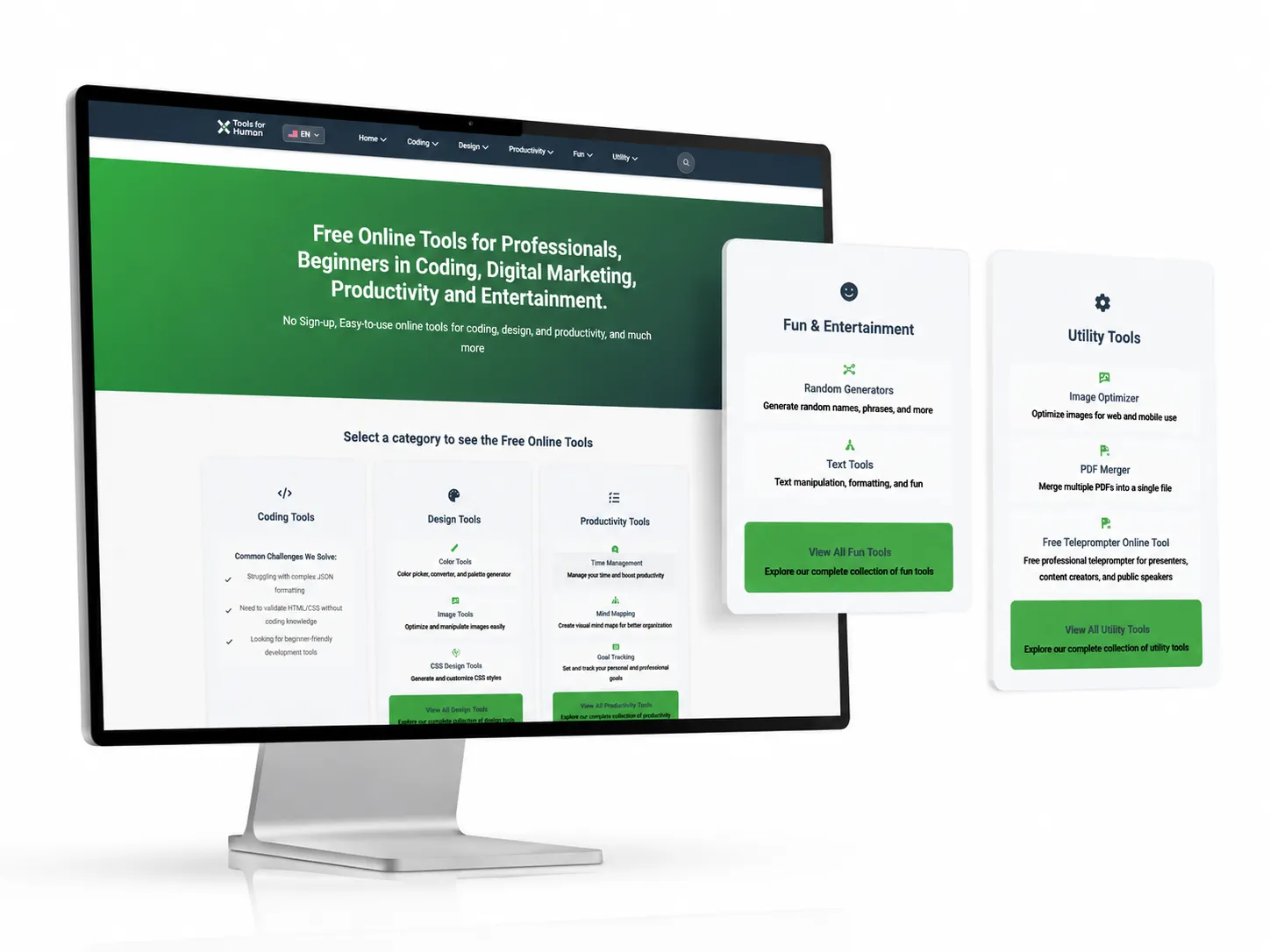

Measured on Microsoft Copilot
Verified result
26,300Microsoft Copilot citations
Toolsforhuman.com Microsoft Copilot
AI Search Rankings used schema-first Answer Engine Optimization, layered JSON-LD, robust canonicals, and multilingual hreflang to help Toolsforhuman.com earn 26,300 Microsoft Copilot citations across 160 plus pages, including Spanish-language pages, in a sample window of about three months.
Limitation. The result applies to the documented sample window and does not guarantee future citations.
-
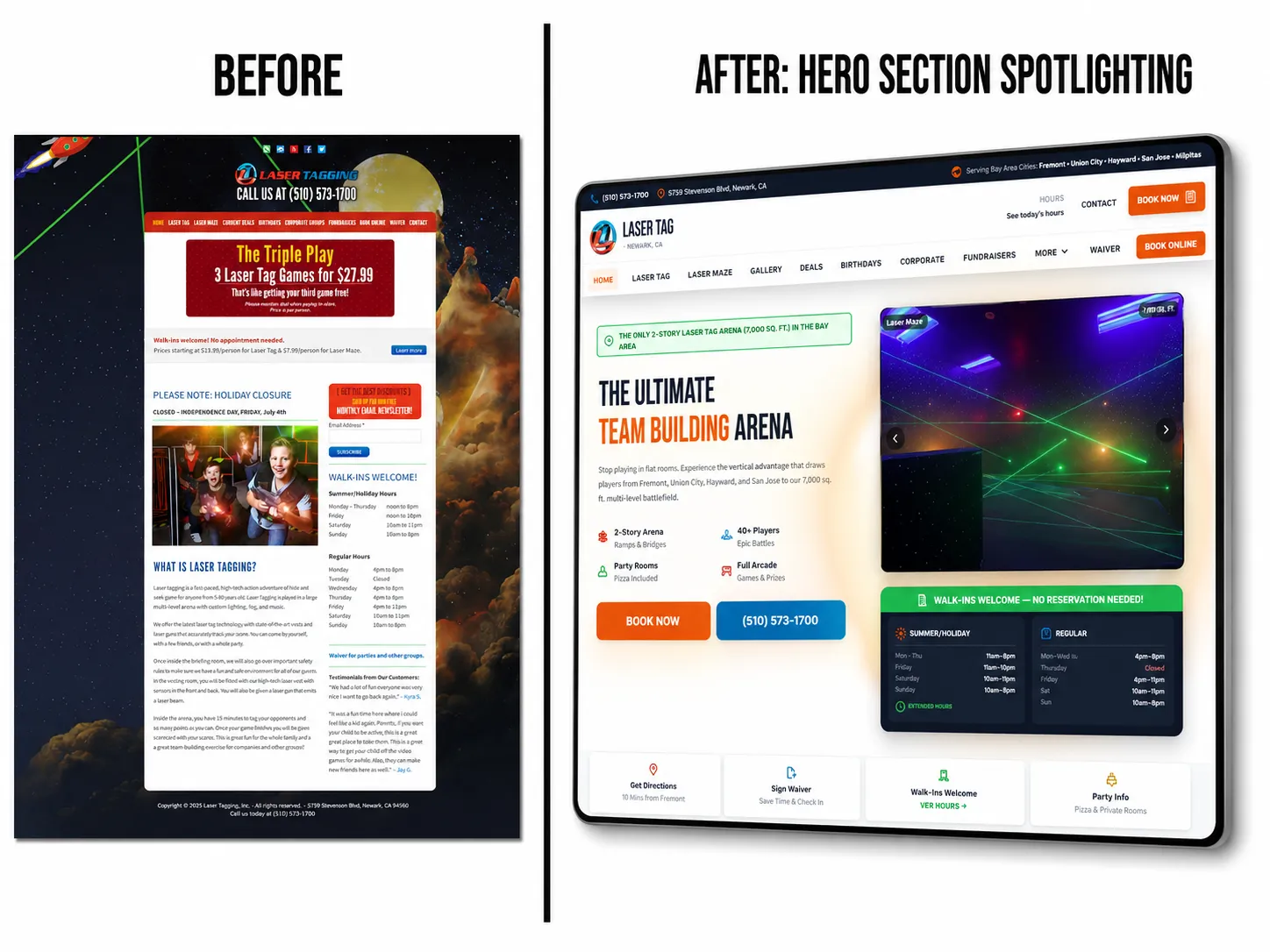

Measured on Google AI Overviews and AI Mode
Client-reported private Google Search Console result
4,460Google generative AI impressions
Laser Tagging Inc. Google AI Overviews and AI Mode
AI Search Rankings rebuilt the Laser Tagging Inc. digital brand and website, expanded its service-area relevance across Newark, Fremont, San Jose, and nearby Bay Area communities, and documented 4,460 client-reported Google generative AI impressions in the selected last-three-month window.
Limitation. The report measures Google generative AI impressions. It does not prove a ChatGPT recommendation, a click, a booking, a lead, or revenue.
Newer data shared by the client: a Google Search performance export for search type Web shows 6,109 impressions in the last 3 months as of September 13, 2026, compared with 947 in the previous 3 months. That total covers all Google web results, not only AI features. Checked September 13, 2026. Open the search performance export shared by Laser Tagging Inc. (opens in a new tab)
Read the Laser Tagging Inc. case studyView the Laser Tagging Inc. project
How AI Search Rankings labels and measures results
Start with your own baseline
Every engagement starts with a measured baseline. Ask for a free review and see where your business stands today.
Why AI Search Rankings
Why businesses choose us for Schema Engineering
Senior expertise, published prices, and honest reporting from the first conversation. This is what partnering with us looks like.
Led by a named expert
Jagdeep Singh, Founder and Lead Answer Engine Optimization Strategist, brings 12+ years of SEO and digital marketing experience and 9 Google Skills certifications you can verify.
Prices published before you call
Three monthly packages at $799, $1,500, and $3,500, each with a written list of the work delivered every month.
Reports you can check yourself
We record the real AI answers for your buyer questions and list the work shipped beside them, never invented rankings.
Proof with its limits stated
Results such as 26,300 Microsoft Copilot citations for Toolsforhuman.com are published with how they were measured and what they do not prove.
Honest about what no one controls
We guarantee the work, not rankings or citations, so you are never sold a promise that cannot be kept.
A fast, straight answer
A strategist replies within 24 hours, Monday to Friday, and tells you plainly when we are not the right fit.
Ready to work with a team that shows its work?
Start with a free review and a clear, published scope, with no obligation.
Published pricing
What Schema Engineering costs, and which scope fits you
Every price is a fixed monthly scope of work. It is never a promise about rankings or AI citations, because other companies control those systems.
Schema Engineering is included from Local AI Answer Authority at $3,500 per month, and in every higher package.
Local or service-area business
Three published monthly packages, built around local and service-area businesses. Each one lists exactly what is delivered every month.
-
Local small businesses
Local AI Answer Starter
$799 per month
Help nearby customers find, trust, and choose your business across Google, Google Maps, and AI answers.
- Local buyer prompts tracked
- 25
- Local competitors compared
- 3
- Page optimized monthly
- 1
- New local answers monthly
- 3 to 5
-
Growing local businesses
Local AI Answer Growth
$1,500 per month
Win more calls, bookings, and quote requests across Google, Google Maps, and AI answer engines.
- Local buyer prompts tracked
- 50 to 75
- Local competitors compared
- 5
- Pages optimized monthly
- 2 to 3
- New local answers monthly
- 5 to 10
-
Competitive & multi-location businesses
Local AI Answer Authority
$3,500 per month
Build a complete local authority system across Google, Maps, AI answers, reviews, and content.
- Local buyer prompts tracked
- 150 to 250
- Local competitors compared
- 10
- Pages optimized monthly
- 5 to 8
- New local answers monthly
- 10 to 20
Not sure which package fits? Answer four questions in the AI Search Fit Check, or compare every package line by line.
National, B2B, SaaS, or online business
Our three published packages were built around local and service-area businesses, which is why their names say Local. National, B2B, SaaS, and online businesses are also served, and the work itself is the same: buyer questions tracked, pages improved, facts corrected, and results reported.
What changes is what the questions and pages cover, such as products, categories, comparisons, and several markets. Start with the free package fit review. We compare your buyer questions, pages, and competitors against the published scopes and confirm in writing whether one of them fits before any work starts.
Request a free package fit reviewStraight answers
Schema engineering questions, answered
Plain answers to the questions buyers ask most. If yours is not here, ask a strategist directly.
What is schema engineering?
Schema engineering is designing the structured data behind your website as one connected set rather than isolated blocks. Every business, service, page, and person gets a permanent identifier that points to the others, so a machine can follow the chain from your company to what it sells, where it works, and who is responsible.
How is schema engineering different from adding schema markup?
Adding schema means placing valid blocks on individual pages. Engineering means designing the identifiers and relationships first so the blocks form one connected whole. Individually valid but disconnected blocks are the most common thing we find, and they achieve very little.
Does Google require special schema to appear in AI Overviews?
No. Google states that no special schema.org structured data is required to appear in AI Overviews or AI Mode. Accurate markup still states your facts in a form machines read directly, which is why we treat it as clarity work rather than a shortcut to placement.
Which schema types matter most?
The types your pages genuinely support. For most businesses that means Organization or LocalBusiness, Service, BreadcrumbList, FAQPage for questions visible on the page, and Person for real named experts. Online stores add Product. Adding types a page does not support introduces risk rather than value.
Can you add star ratings to our search listings?
Only where genuine reviews are shown on the page. Rating markup that readers cannot see, or that is not genuine, breaks Google's structured data guidelines and can lead to a manual action. We refuse that request and explain why.
Our developer already added schema. Do we need this?
We check first and keep whatever works. The usual finding is that blocks are individually valid but collectively disconnected, and several have drifted from the pages they describe. The review lists exactly which of your blocks fall into each category.
Will our schema break when we change our content?
It can, which is why rechecking is included every month rather than sold as a one time project. When a page is improved, its markup is rechecked in the same pass, and a redesign becomes a planned recheck.
How do you validate structured data?
Every template is tested in Google's Rich Results Test and the Schema Markup Validator, then each marked up value is compared with the visible page. Markup ships only when it parses without errors and every fact it states can be seen by a visitor.
Why do you use JSON-LD instead of microdata?
Google recommends JSON-LD for structured data. It sits in one block instead of being woven through the HTML, which makes it easier to generate from the same data that displays the page and easier to keep accurate when the design changes.
How much do schema engineering services cost?
Schema engineering is included in all three packages at $799, $1,500, and $3,500 per month, with the depth increasing at each level. Websites with several locations or many template built pages usually need $3,500 for a full connected map.
Free, with no obligation
Get your structured data reviewed
Choose what you need help with and tell us where to reply. We check what markup your templates output today, what it connects, and what has drifted, then respond within 24 hours.
What happens after you send it
- We review your website and the answers AI tools give for your buyer questions.
- A strategist replies within 24 hours, Monday to Friday, 9am to 6pm Pacific Time.
- You get a clear recommendation, including when we are not the right fit.
Prefer to talk now?
This request form needs JavaScript. You can still reach a strategist by phone, text, or email using the links beside this form, or use the contact page.
Request received
Thank you. A strategist will reply within 24 hours, Monday to Friday, 9am to 6pm Pacific Time. A confirmation email is on its way.
While you wait, you can run the free AI visibility audit or compare the published packages.
We use your details only to reply to this request. There is no obligation, and we never sell your information. Read our privacy policy.