The digital marketing landscape is undergoing a profound transformation, driven by the rapid advancement of artificial intelligence in search engines. Understanding the distinction between Answer Engine Optimization (AEO) and traditional SEO is no longer optional; it's critical for maintaining and growing online visibility. Traditional SEO, which has been the bedrock of digital marketing since the late 1990s, primarily focuses on optimizing websites to rank higher in organic search results for specific keywords. Its goal is to drive clicks to a website through methods like keyword research, on-page optimization, technical SEO, and link building. The success metrics often revolve around keyword rankings, organic traffic, and conversion rates directly attributable to website visits.
However, the rise of AI-powered search experiences like Google AI Overviews, ChatGPT, Perplexity, and Bing Copilot has introduced a new imperative: direct answers. Users are increasingly seeking immediate, synthesized information directly within the search results or through conversational interfaces, rather than navigating to multiple websites. This is where AEO takes center stage. AEO is the practice of optimizing content to directly answer user queries within the search engine results page (SERP), often appearing in featured snippets, 'People Also Ask' sections, or generative AI summaries. It leverages AI and machine learning to understand complex user intent, optimize for conversational search, and adapt to dynamic, personalized search results. The core distinction lies in the primary goal: direct answers and entity authority versus website traffic and keyword rankings. While traditional SEO builds the essential foundation, AEO refines and elevates that foundation to meet the demands of an AI-first search world. This evolution moves beyond simple keyword matching to entity-based understanding, semantic relevance, and a holistic user experience, preparing websites for the future of AI-driven search engines and diverse SERP features. For businesses looking to future-proof their online presence, embracing AEO is paramount. To explore how AI Search Rankings can help your business adapt, consider our Answer Engine Optimization services, designed to improve how clearly your business can be found, understood, trusted, cited, and recommended in AI-assisted search.
Aeo Vs Traditional Seo
What Aeo Vs Traditional Seo means for your visibility in AI answers, and the specific changes that improve it
Understanding AEO Vs Traditional SEO: The Paradigm Shift in Search
Quick Checklist
Key Components & Elements
Content Structure
Organize information for AI extraction and citation
Technical Foundation
Implement schema markup and structured data
Authority Signals
Build E-E-A-T signals that AI systems recognize
Performance Tracking
Monitor and measure AI search visibility
Implementation Process
Assess Current State
Run an AI visibility audit to understand your baseline
Identify Opportunities
Analyze gaps and prioritize high-impact improvements
Implement Changes
Apply technical and content optimizations systematically
Monitor & Iterate
Track results and continuously optimize based on data
Benefits & Outcomes
What you can expect to achieveImplementing Aeo Vs Traditional Seo best practices delivers measurable business results:
- Increased Visibility: Position your content where AI search users discover information
- Enhanced Authority: Become a trusted source that AI systems cite and recommend
- Competitive Advantage: Stay ahead of competitors who haven't optimized for AI search
- Future-Proof Strategy: Build a foundation that grows more valuable as AI search expands
Traditional
Modern AI
How to Decide What You Actually Need
Common Mistakes and How to Avoid Them
Many businesses stumble when navigating the evolving landscape of AI Engine Optimization (AEO) and Traditional SEO. Avoiding these common pitfalls ensures a more effective digital strategy.
-
Mistake: Abandoning Traditional SEO for AEO.
People often stop optimizing for keywords, backlinks, and site structure, believing AI will simply understand their content. This seems reasonable because AI is advanced. However, it causes a significant drop in visibility within traditional search results. AI engines still rely on a strong, well-structured foundation. Correction: View AEO as an enhancement, not a replacement. Continue to build strong technical SEO, conduct thorough keyword research, and earn quality backlinks.
-
Mistake: Creating conversational content without structured data.
Businesses write content in a natural, question-and-answer style but neglect to implement schema markup. This seems logical because AI excels at natural language processing. What it actually causes is that while AI understands the text, it struggles to efficiently extract specific answers for direct features or summaries. Correction: Pair conversational content with appropriate schema markup, such as FAQPage or QAPage, to explicitly guide AI engines.
-
Mistake: Over-focusing on keyword density for AI.
Some content creators stuff pages with keyword variations, thinking more mentions signal relevance to AI. This seems reasonable given past SEO practices. However, it causes content to become unnatural and difficult for human readers, leading to poor engagement. AI engines prioritize semantic understanding over simple keyword counts. Correction: Focus on natural language, semantic relevance, and thoroughly answering user questions. Use synonyms and related concepts for comprehensive topic coverage.
-
Mistake: Neglecting user experience for AI optimization.
Pages are sometimes designed primarily to feed information to AI models, sacrificing readability or visual appeal for human users. This seems practical if the main goal is AI comprehension. What it actually causes are high bounce rates and poor human engagement, negatively impacting both traditional SEO rankings and AI engine perceptions of content quality. Correction: Always prioritize the human user experience. Ensure content is easy to read, well-organized, and visually appealing. A good UX benefits both human visitors and AI crawlers.
Quick Checklist
What This Cannot Do
Optimizing for AEO or traditional SEO does not guarantee immediate top rankings. No strategy can promise a specific position on Google, Bing, or any other third-party search engine. These platforms operate their own complex, proprietary algorithms, and they make the final decisions about what content to display and where.
Success in either AEO or traditional SEO depends on several factors outside of direct control. These include:
- Algorithm updates: Search engines frequently update their ranking criteria. What works today might change tomorrow.
- Competitor actions: Your competitors are also optimizing their content. Their efforts directly impact your relative visibility.
- User behavior shifts: How people search and what they click on evolves over time.
- Content quality: Ultimately, if your content does not genuinely answer user questions or provide value, no amount of optimization will sustain high rankings.
Realistic timelines for seeing significant, measurable results typically range from 6 to 12 months of consistent, dedicated effort. Initial improvements may appear sooner, but sustained growth and competitive positioning require a long-term commitment. This is not a quick fix. It cannot compensate for a poor product, a difficult user experience on your website, or a lack of genuine value in your offerings. Our work focuses on improving your visibility, not on changing the fundamental quality of what you provide.
Process Flow
Your Next Step
Get Your Free AuditFrequently Asked Questions
What is Aeo Vs Traditional Seo and why does it matter?
Aeo Vs Traditional Seo represents a fundamental aspect of modern digital optimization. It matters because AI-powered search engines like ChatGPT, Perplexity, and Google AI Overviews increasingly rely on well-structured, authoritative content to provide answers to user queries.
By understanding and implementing Aeo Vs Traditional Seo best practices, businesses can improve their visibility in these AI search platforms, reaching more potential customers at the moment they're seeking information.
How do I get started with Aeo Vs Traditional Seo?
Getting started involves several key steps:
- Assess your current state with an AI visibility audit
- Identify gaps in your content and technical structure
- Prioritize quick wins that provide immediate improvements
- Implement a systematic optimization plan
- Monitor results and iterate based on data
Our free AI audit provides a great starting point for understanding your current position.
What are the key benefits of optimizing for Aeo Vs Traditional Seo?
The primary benefits include:
- Increased AI Search Visibility: Better positioning in ChatGPT, Perplexity, and Google AI Overviews
- Enhanced Authority: AI systems recognize and cite well-structured, authoritative content
- Competitive Advantage: Early optimization provides significant market advantages
- Future-Proofing: As AI search grows, optimized content becomes more valuable
How long does it take to see results from Aeo Vs Traditional Seo optimization?
Results timeline varies based on your starting point and implementation approach:
- Quick Wins (1-2 weeks): Technical fixes like schema markup and structured data improvements
- Medium-term (1-3 months): Content optimization and authority building
- Long-term (3-6 months): Comprehensive strategy implementation and measurable AI visibility improvements
Consistent effort and monitoring are key to sustainable results.
What tools or resources do I need for Aeo Vs Traditional Seo?
Essential resources include:
- AI Audit Tools: Analyze your current AI search visibility
- Schema Markup Generators: Create proper structured data
- Content Analysis Tools: Ensure content meets AI citation requirements
- Performance Monitoring: Track AI search mentions and citations
AI Search Rankings provides comprehensive tools for all these needs through our audit and deep dive services.
Get Started Today
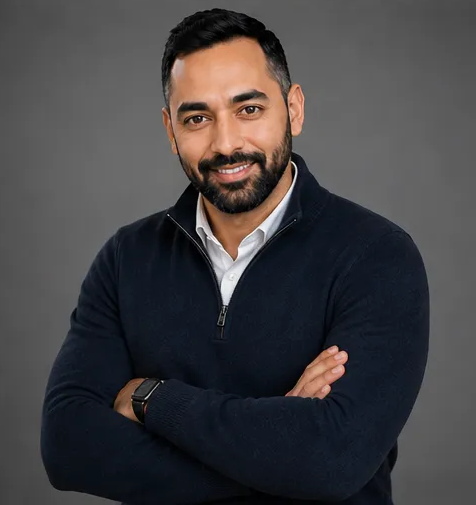
Jagdeep Singh
AI Search Optimization Expert
Jagdeep Singh is the founder of AI Search Rankings and a recognized expert in Answer Engine Optimization (AEO).. With over 12+ years of experience in SEO and digital marketing, he helps businesses adapt their content strategies for the AI search era.